
Explore
Search or explore the repertoire by moods, genres, levels and more
Categories
Highlights
View allTambourin
E.d. Gambarini
By the Brook
H. Chrétien
Intermezzo-Serenata
O. Respighi
Dragonfly
M.E. Marshall
Je crois entendre encore
G. Bizet
Doctor Gradus Ad Parnassum
C. Debussy
The Spruce
J. Sibelius
Prelude
F. Price
Keyboard sonata
D. Scarlatti
Prelude
S. Rachmaninoff
Prelude
S. Rachmaninoff
At Age Seventy
F. Price
On Rainy Days
B.B. Bentley
Lento placido
F. Liszt
The Nightingale
T. Kullak
Le Lac de Come
M.C. Galos
Periods
baroque
106 pieces
classical
109 pieces
romantic
572 pieces
impressionist
36 pieces
modern
132 pieces
jazz
22 pieces
contemporary
24 pieces
minimalist
5 pieces

folklore
6 pieces
Levels
Synthesia releases
Composer of the week
Amy Beach
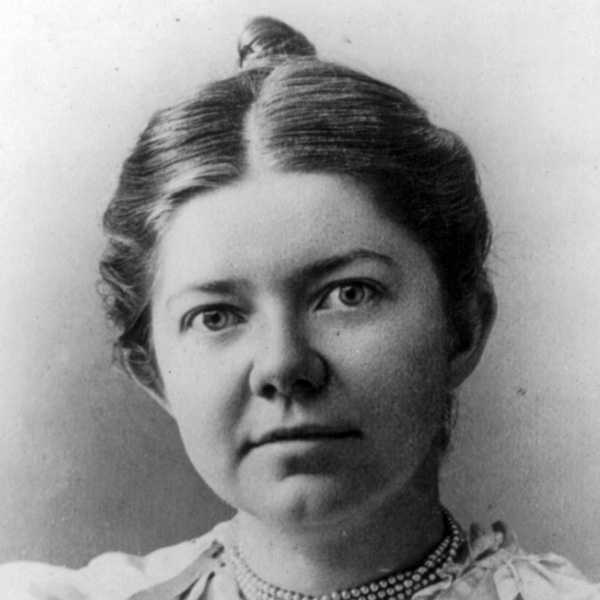
Amy Beach
Did you know?
Amy Beach assumed many leadership positions, often in advancing the cause of American women composers. She was a founding member and first president of the Society of American Women Composers.
Amy Marcy Cheney was born in New Hampshire to a prominent New England family. Young Amy was a true prodigy composing simple waltzes at the age of four. By the age of six, she began studying piano with her mother and performed her first public recitals one year later, playing works by Handel, Beethoven, Chopin, and some of her own pieces. In 1875 the family moved to Boston, where Amy studied with the leading pianists. She made her Boston debut in 1883, and two years later played her first performance with the Boston Symphony Orchestra, Wilhelm Gericke conducting Chopin's Concerto in F Minor. In 1885, she married Henry Harris Aubrey Beach, focusing her musical energies on composing. Beach achieved her first notable success as a composer with the performance of her Mass in E-flat by Boston's Handel and Haydn Society. She became the first American woman to achieve widespread recognition as a composer of large-scale works with orchestra. Beach's national reputation grew through her equally well-received Symphony Opus 32, Violin Sonata Opus 34, and Piano Concerto Opus 45. After her husband's death in 1910, Beach sailed for Europe to establish her reputation there as both a performer and a composer. She received enthusiastic reviews for recitals in Germany and for her symphony and concerto, which were performed in Leipzig and Berlin. She returned to the U.S. in 1914 and soon after she became a fellow at the MacDowell Colony in Peterborough, New Hampshire, where she composed most of her later works.
