
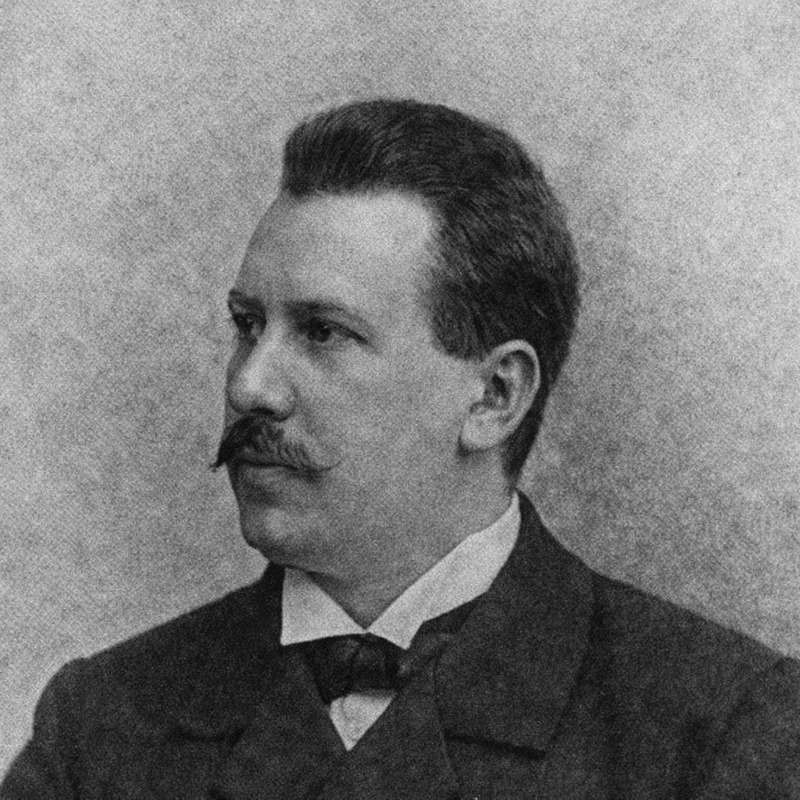
Géza Horváth
Did you know?
After several years working as a music teacher, Horváth founded his own private music school in Vienna.
Géza Horváth was a Hungarian musician and educator whose career flourished in Vienna during the late nineteenth and early twentieth centuries. Born in the town of Komárom, he showed musical promise early and began formal training at the local music school. By the age of eighteen he had already committed himself to a professional musical life. Seeking advanced training, he continued his studies at the Vienna Conservatory, one of the most influential music institutions in Central Europe at the time. There he completed the state examination for music teachers in the early 1890s, establishing himself not only as a performer but also as a qualified pedagogue. After several years working as a music teacher, Horváth founded his own private music school in Vienna. Institutions like these played an important role in the musical life of the city, providing training for amateurs, aspiring professionals, and young students alike. Horváth’s school developed a strong reputation, and he eventually became a prominent figure among Vienna’s independent music educators. Around 1911 he served as president of the committee representing licensed music school owners, reflecting the respect he had earned within the teaching community. Following his death in Vienna, the school continued under the direction of his daughter, Blanca Horváth, preserving the family’s educational legacy. Alongside his teaching career, Horváth composed extensively for educational purposes. Much of his music was written for piano and violin students, combining approachable technical demands with clear melodic writing. Pieces such as Canzonetta remain familiar in pedagogical collections today. He was particularly known for writing and arranging music for multi-handed piano playing—works designed for three or more performers at a single instrument. In these pieces, Horváth balanced the musical material carefully among the players so that each participant had a meaningful part. His compositions and arrangements were widely published across Europe and beyond, appearing in cities such as Budapest, Vienna, Leipzig, Paris, New York, Boston, and Moscow.
