
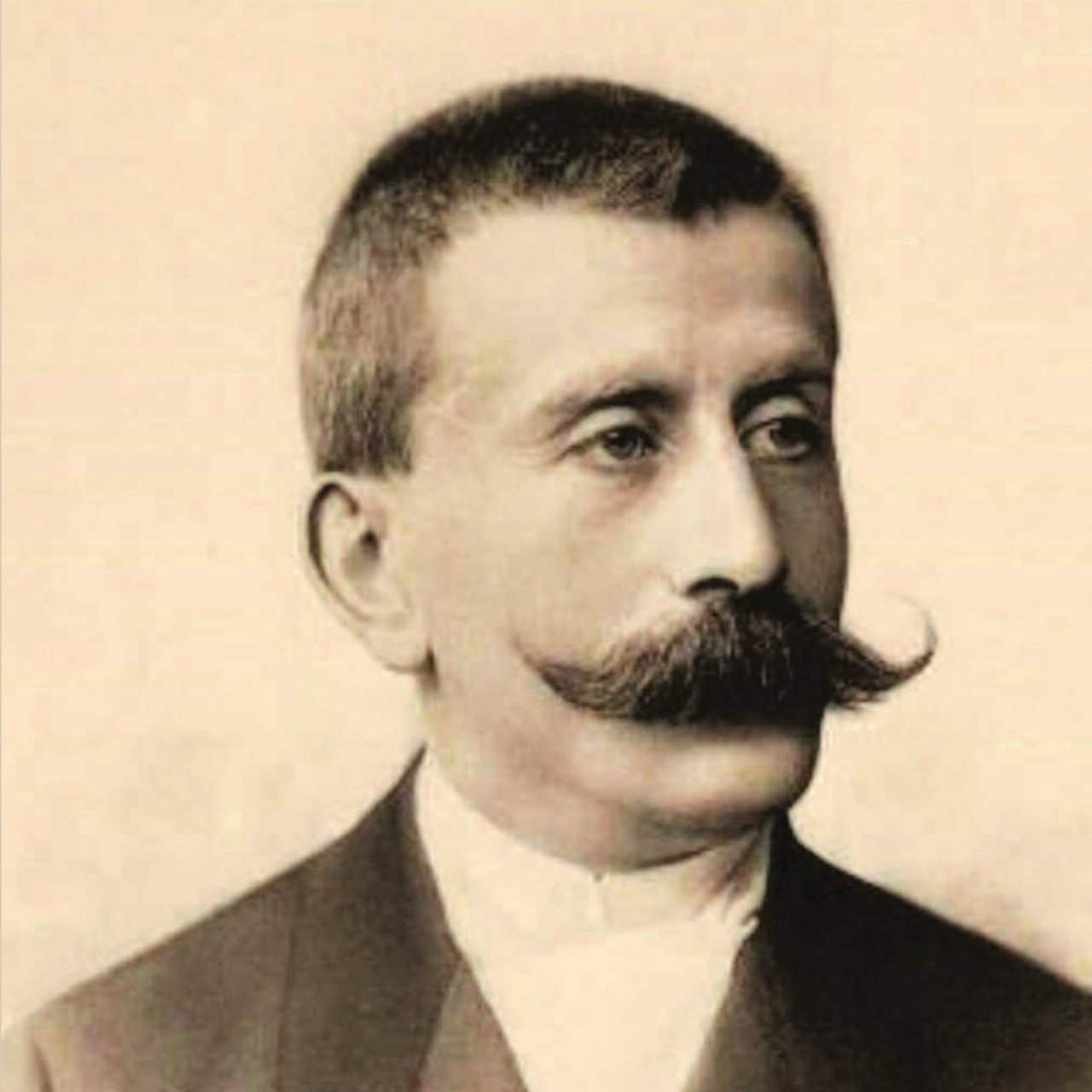
Moritz Moszkowski
Did you know?
Moszkowski had a photographic memory, able to play long pieces like Wagner's Tristan und Isolde on piano from memory.
Moszkowski was a German composer, pianist, and teacher who achieved great success during his lifetime but is now relatively unknown. Born in Breslau (now Wrocław, Poland), Moszkowski showed prodigious talent on the piano from a young age and began composing as a teenager. He studied at the Berlin Hochschule für Musik and later in Paris with the renowned pianist and composer Louis Diémer. Moszkowski's works were popular during his lifetime and he was highly regarded as a pianist, but his music fell out of favor after his death. Moszkowski's compositional output was varied, including piano works, orchestral music, and chamber music. His piano pieces were particularly popular, and many of them were written for virtuosic performers. Some of his most well-known works include the virtuosic Spanish Dances, Op. 12, the charming and lyrical Étincelles, Op. 36 No. 6, and the lush and romantic Piano Concerto in E major, Op. 59. Moszkowski's music is characterized by its melodic beauty, virtuosic writing, and colorful harmonies. In addition to his composing and performing career, Moszkowski was also a respected teacher. He taught piano at the Berlin Hochschule für Musik and later at the Neue Akademie der Tonkunst in Berlin. His students included future composers such as Joaquín Rodrigo and Philipp Jarnach. Despite his success during his lifetime, Moszkowski's music fell out of favor in the years after his death. However, in recent years there has been renewed interest in his work, with some musicians and scholars advocating for a reassessment of his place in the canon of Romantic composers.
