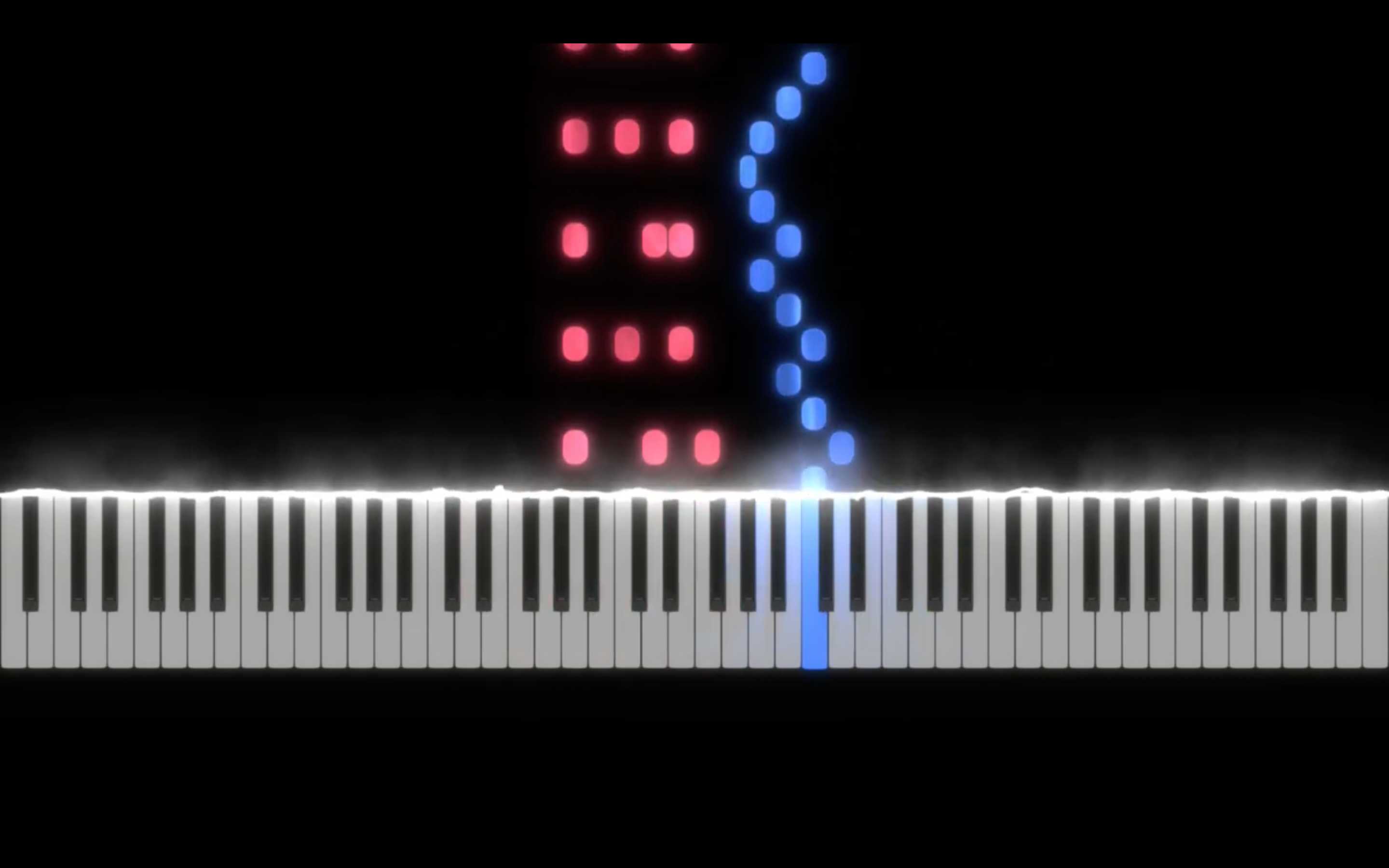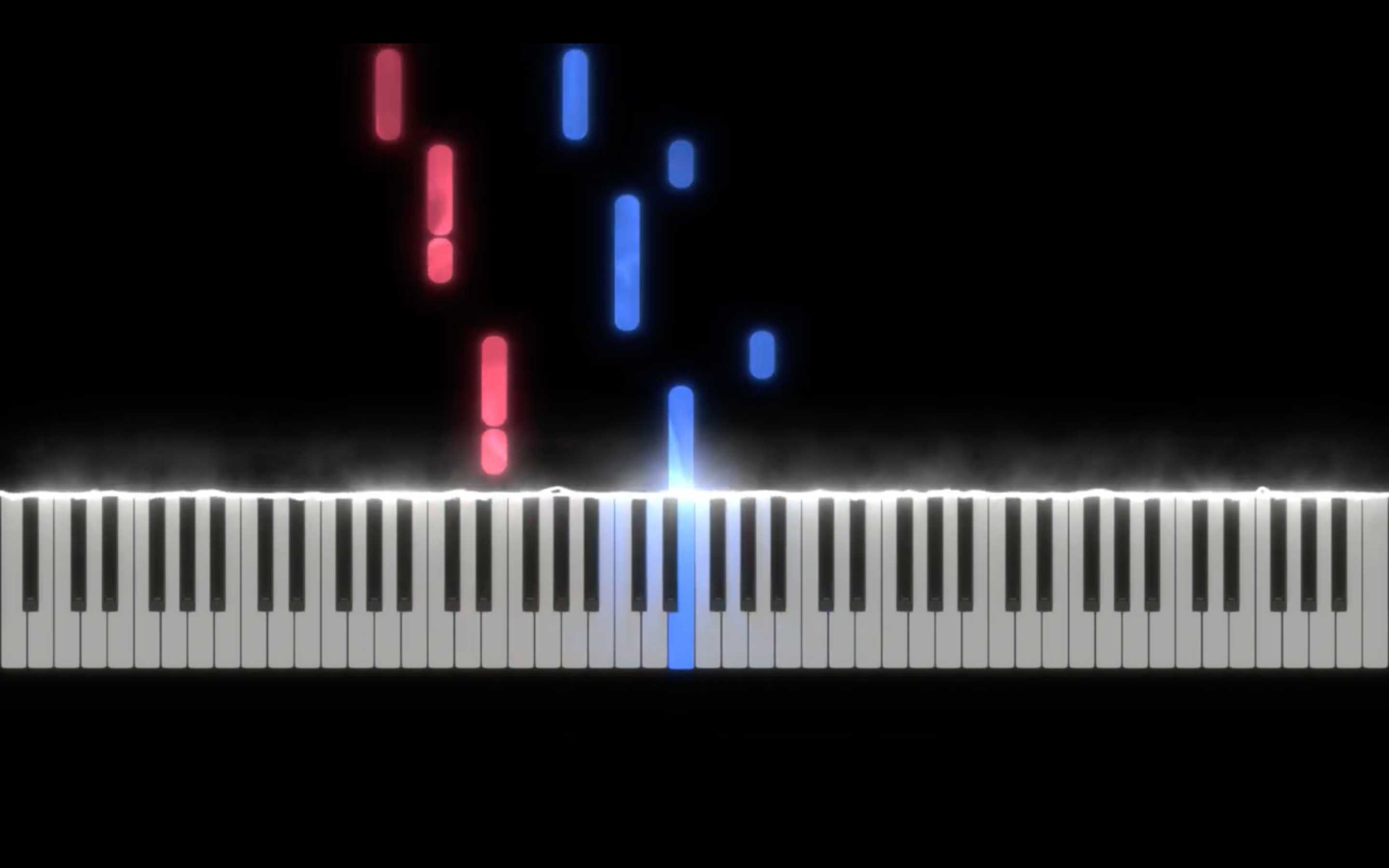
1. Allegro con spirito K 309
Wolfgang Amadeus Mozart
What's this piece like?
Who's this piece for?
MOOD: Playful and triumphant.
TECHNIQUE: Coordination.
Ranking


More like this
View allMinuet
W.A. Mozart
Andante grazioso
W.A. Mozart
Menuetto
W.A. Mozart
Allegretto
W.A. Mozart
Allegro di molto
C.P.E. Bach
Allegretto
M. Clementi
Allegro
M. Clementi
Spirituoso
M. Clementi
Allegro
M. Clementi
Rondo
M. Clementi
Presto
M. Clementi
Rondo
M. Clementi
Allegro assai
L.V. Beethoven
Rondo
A. Diabelli
Rondo
A. Diabelli
Twinkle Variations
W.A. Mozart
Subscribe to read and download the full score.
Loading score preview...
1770
English explorer James Cook sights the East Coast of Australia. He lands at Botany Bay and claims the land for England.
1770
Ludwig Van Beethoven was born.
1772
Joseph Priestley and Daniel Rutherford independently discovered nitrogen.
1775
The American Revolution began with battle of Lexington and Concord.
1777
Sonata K 309 was composed by W.A. Mozart at the age of 21 years old.
1778
France Signs Treaty of Alliance with U.S., recognizing its independence.
1781
Immanuel Kant published the first edition of the "Critique of Pure Reason".
1781
Sir William Herschel discovered the planet Uranus.
1787
Mozart's Don Giovanni premiered in Prague.
Other releases