advanced

2. Fundición

Carmen Barradas

About the composer
Maria del Carmen Perez Jimenez Barradas left an indelible mark on the world of music as a pioneering Uruguayan pianist, composer, and choral teacher. Born in Montevideo to Spanish residents Santos Rojas and still life painter Antonio Pérez Giménez Barradas, she embarked on her musical journey under the guidance of Antonio Frank. The untimely death of her father in 1898 briefly interrupted her studies, but with unwavering support from friends and family, she continued her musical education at the Conservatorio del Uruguay, earning her diploma in 1915. Inspired by her younger brother, the renowned painter Rafael Barradas, she adopted the stage name Carmen Barradas, forging her own unique identity in the world of music. Carmen Barradas' artistic journey took a significant turn after World War I when her family relocated to Spain in 1916. Overcoming financial challenges, she and her mother sustained themselves by crafting toys, but Carmen also flourished as a composer, actively participating in Barcelona's artistic scene. In 1917, she showcased her compositions in a concert of her own works, setting the stage for a remarkable career that spanned both Spain and Uruguay. Her return to Montevideo in 1928 marked a new chapter where she imparted her knowledge as a teacher at the Institutos Normales, published a children's magazine called Andresillo, and continued her groundbreaking work as a composer. Despite facing challenges and her experimental direction being met with skepticism in Uruguay, Carmen Barradas persisted in pushing artistic boundaries until her passing in 1963, leaving behind a legacy of innovation and creativity in the realm of music. Carmen Barradas' compositions, characterized by brilliance and innovation, included influential works such as "Fabricación" (1922), "Andaluza," "La niña de la mantilla blanca," "Aserradero," "Taller Mecánico," "En el molino y Procesión," "Aurora en la enramada," "Mar-Tragedia-Misterio," and "Estudios tonales." Although her experimental approach was not widely embraced during her lifetime, the preservation and interpretation of some of her scores by pianist and musicologist Néffer Kröger have ensured that around 170 partial and complete manuscripts continue to illuminate the world with Carmen Barradas' avant-garde musical vision.
To learn more about Barradas click here.
Who's this piece for?
Ideal for advanced pianists looking for a unique experience and want to learn new styles and techniques.
1-2 pages
Modern
Atonal

MOOD: Agitated and bold.

Ranking
Equivalent to RCM diploma level
This piece is beyond all ABRSM levels
More like this
View all

Bear Dance

B. Bartók

Etude

D. Kabalevsky

The Firefly

A. Bilotti

Toccata

M. Cuéllar

Etude

A. Khachaturian

Run Run!

O. Pinto

Dark Horsemen

W.G. Still

The Cat and The Mouse

A. Copland

Flight

Z.P. Perry

Fabricación

C. Barradas

Papillons

O. Russell

Rondo

L.F. Branco

Tarantella

S. Prokofiev

Toque de Campanas

M.L. Sepúlveda

Subscribe to read and download the full score.

Loading score preview...

1917

U.S. buys Virgin Islands from Denmark for $25 million.

1918

Claude Debussy died.

1919

The World War I ends with the Treaty of Versailles.

1920

Women in the United States conquer the right to vote.

1922

Fundición was composed by C. Barradas at the age of 34 years old.

1924

Death of Lenin and Stalin wins the power struggle to rules as Soviet dictator.

1924

G. Gershwin's Rhapsody in Blue premieres in New York.

1925

Adolf Hitler publishes his autobiographical manifesto "Mein Kampf".

1925

Big record labels begin using electric microphones for recording.

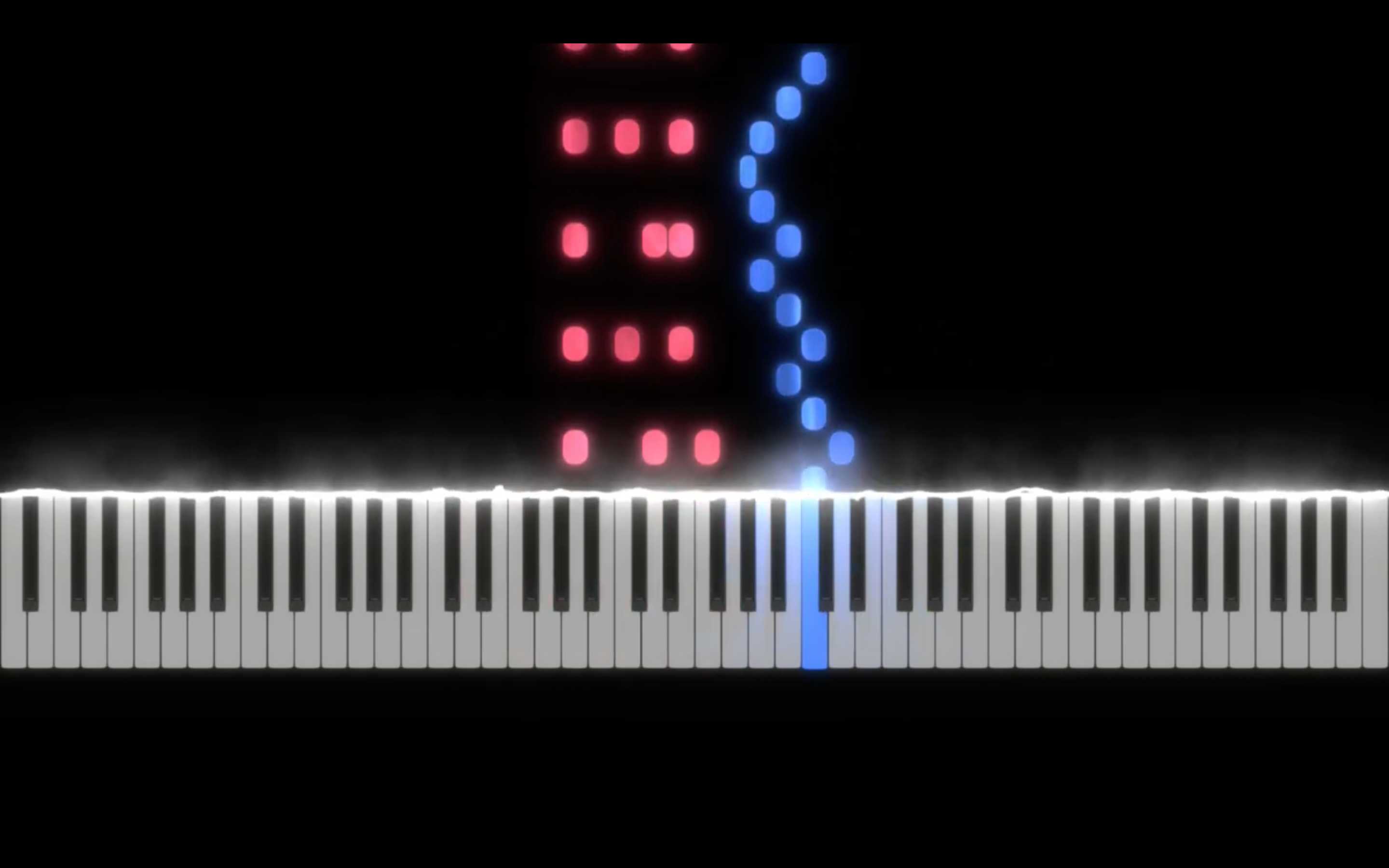
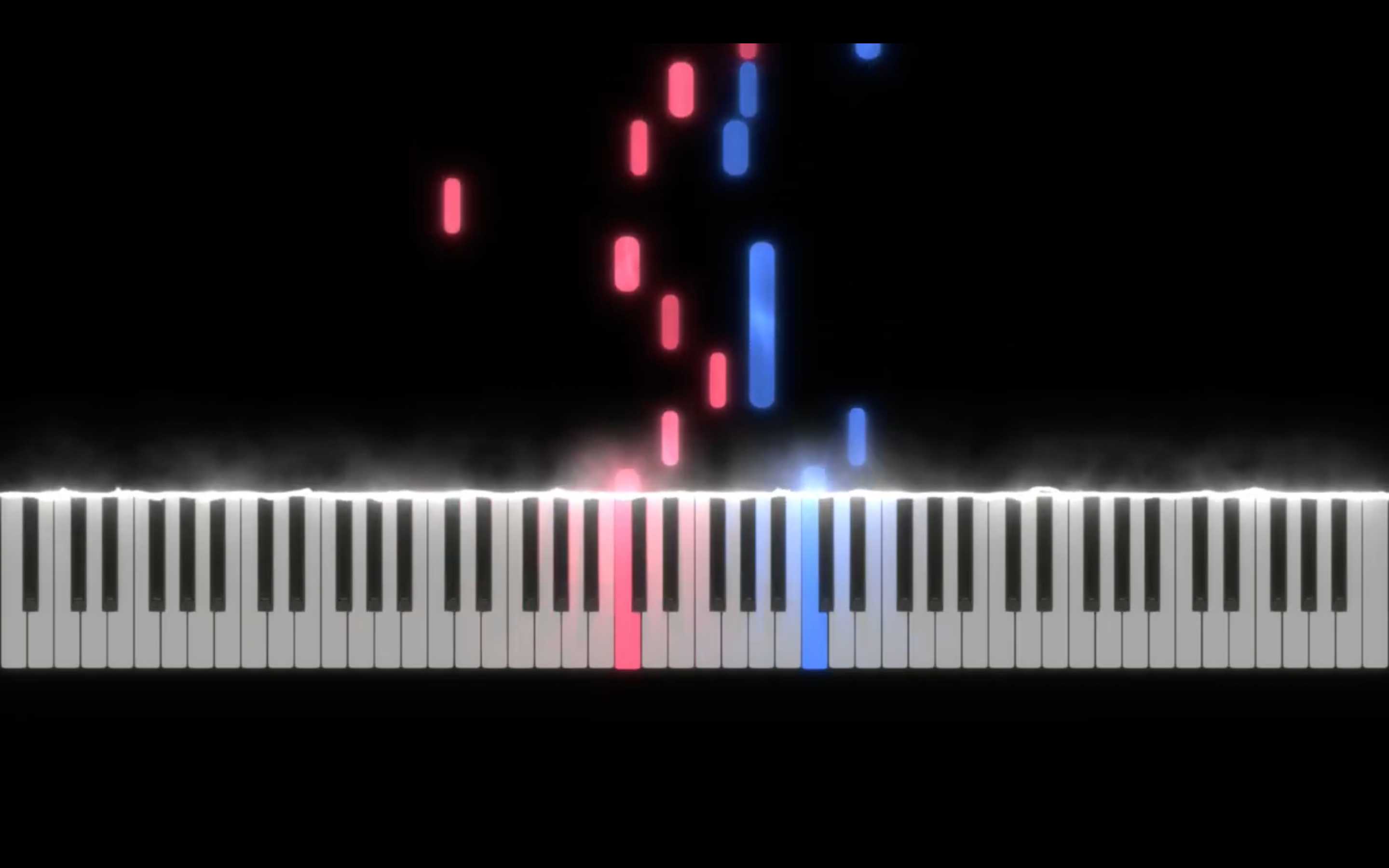
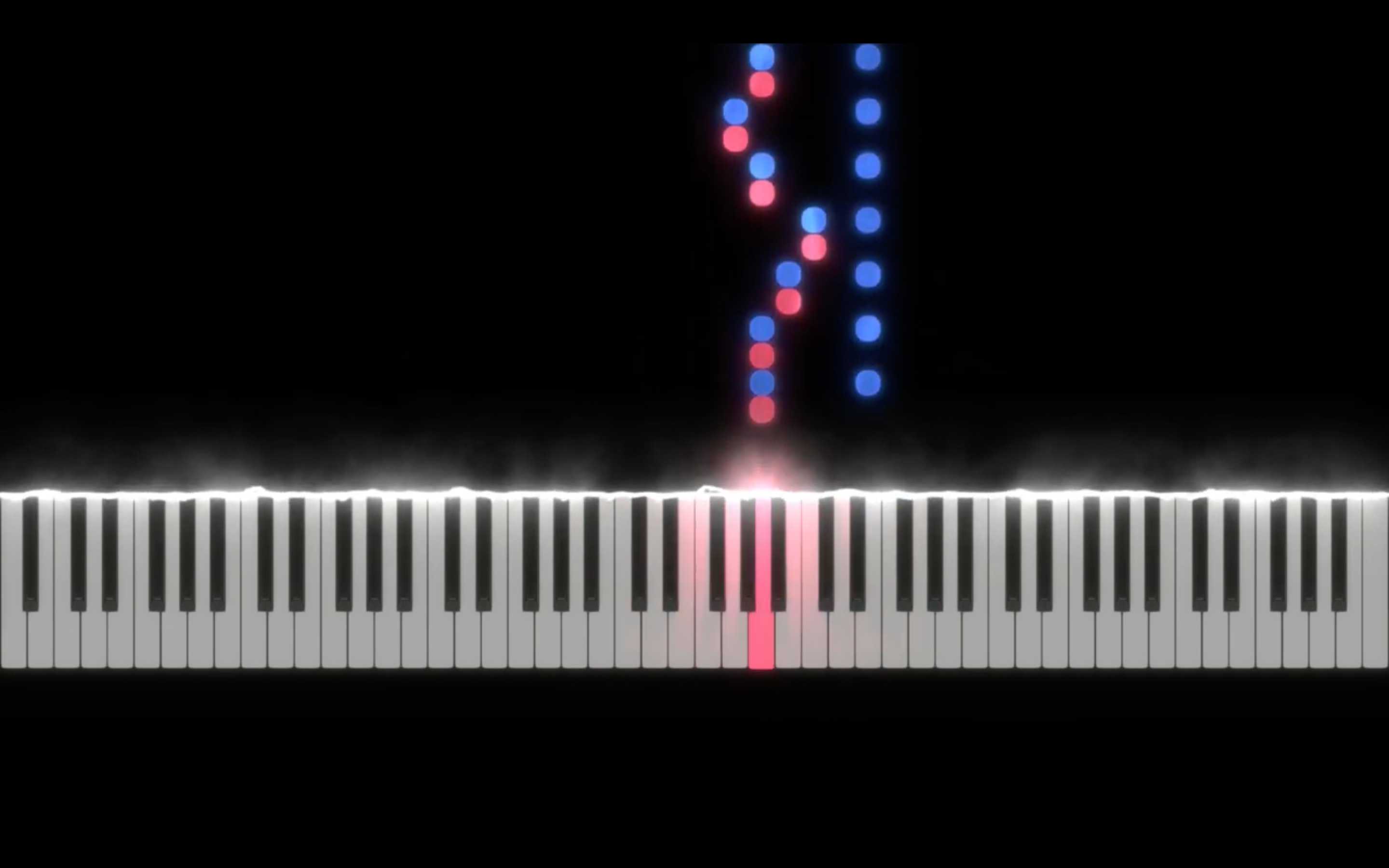
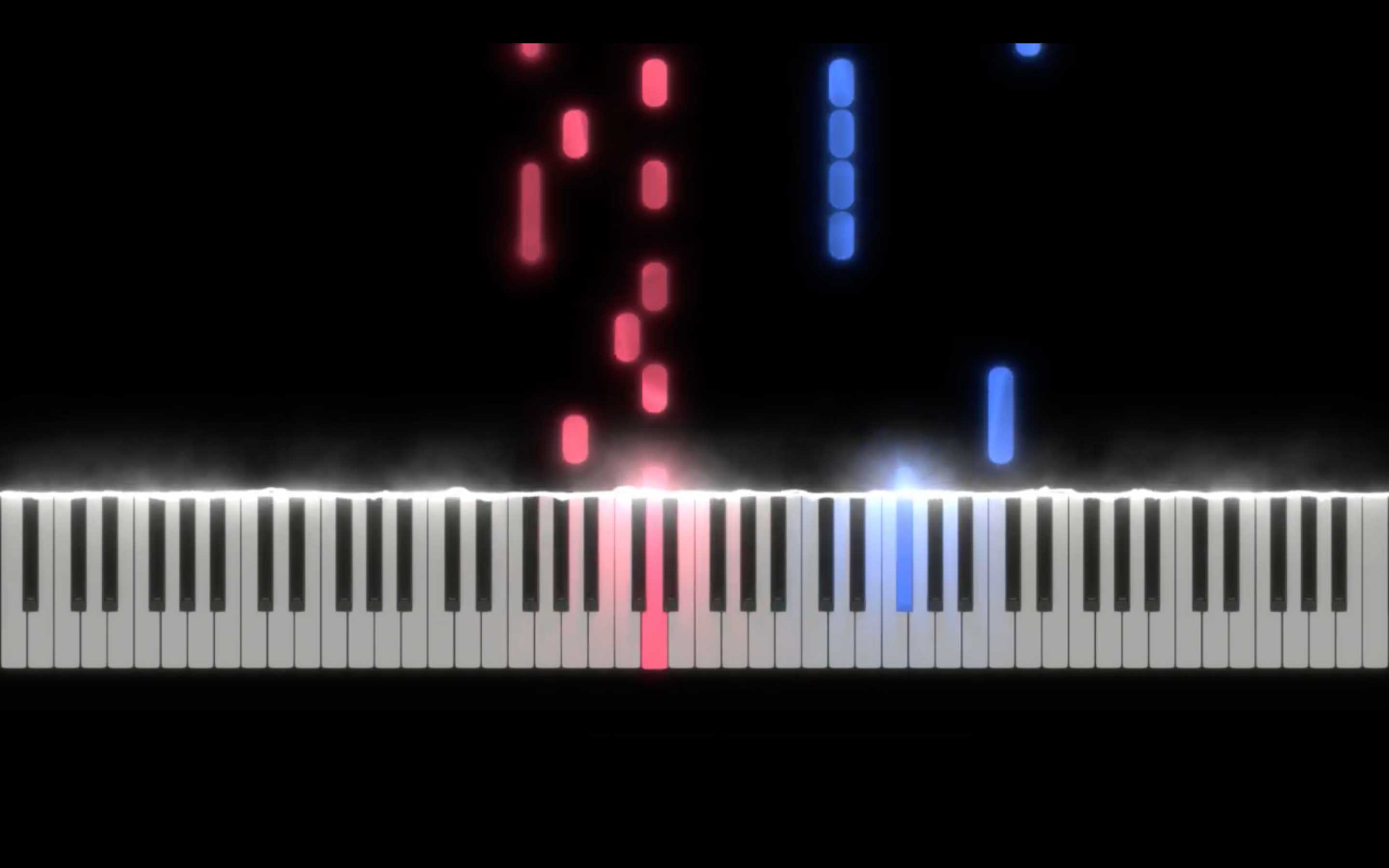
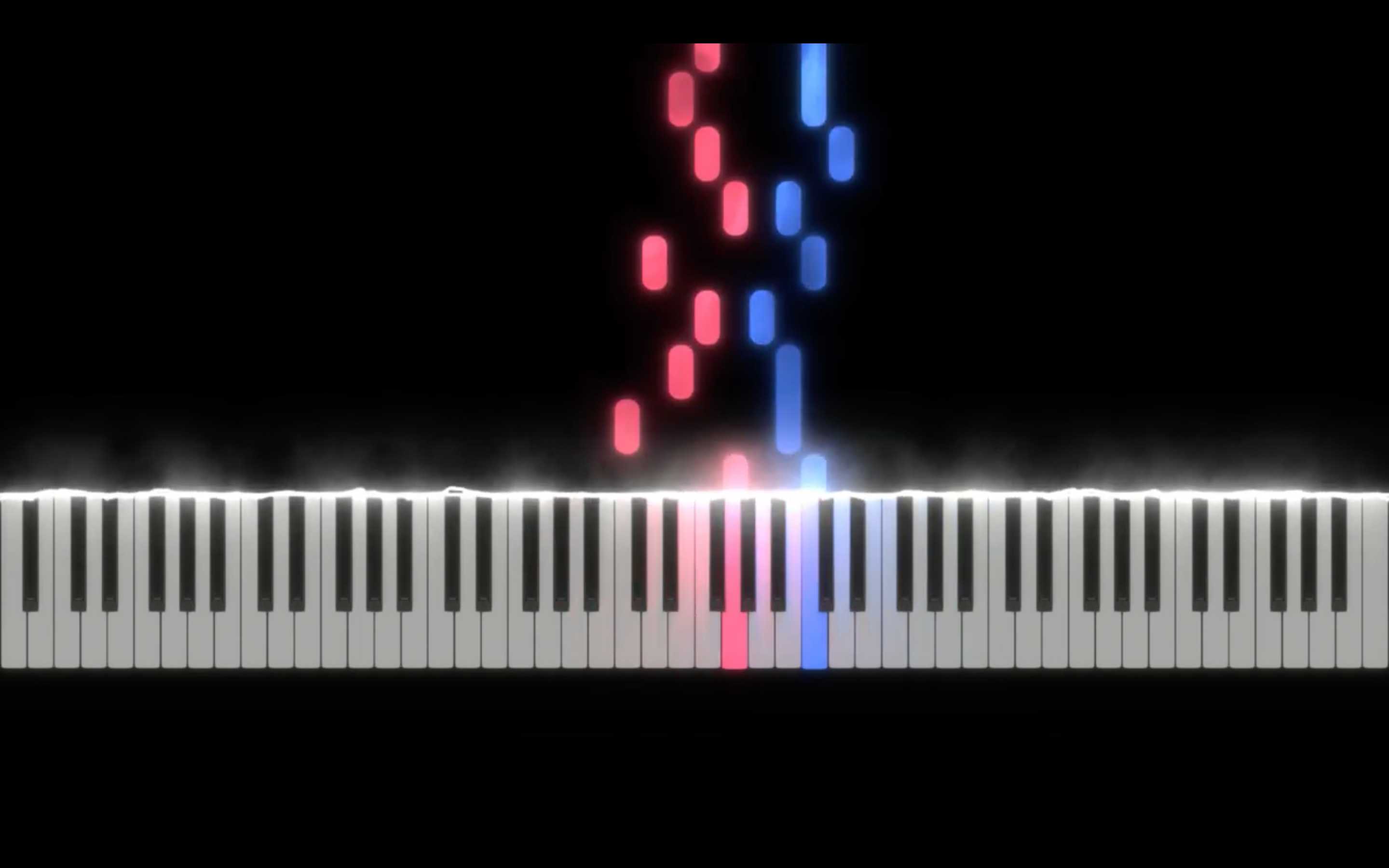
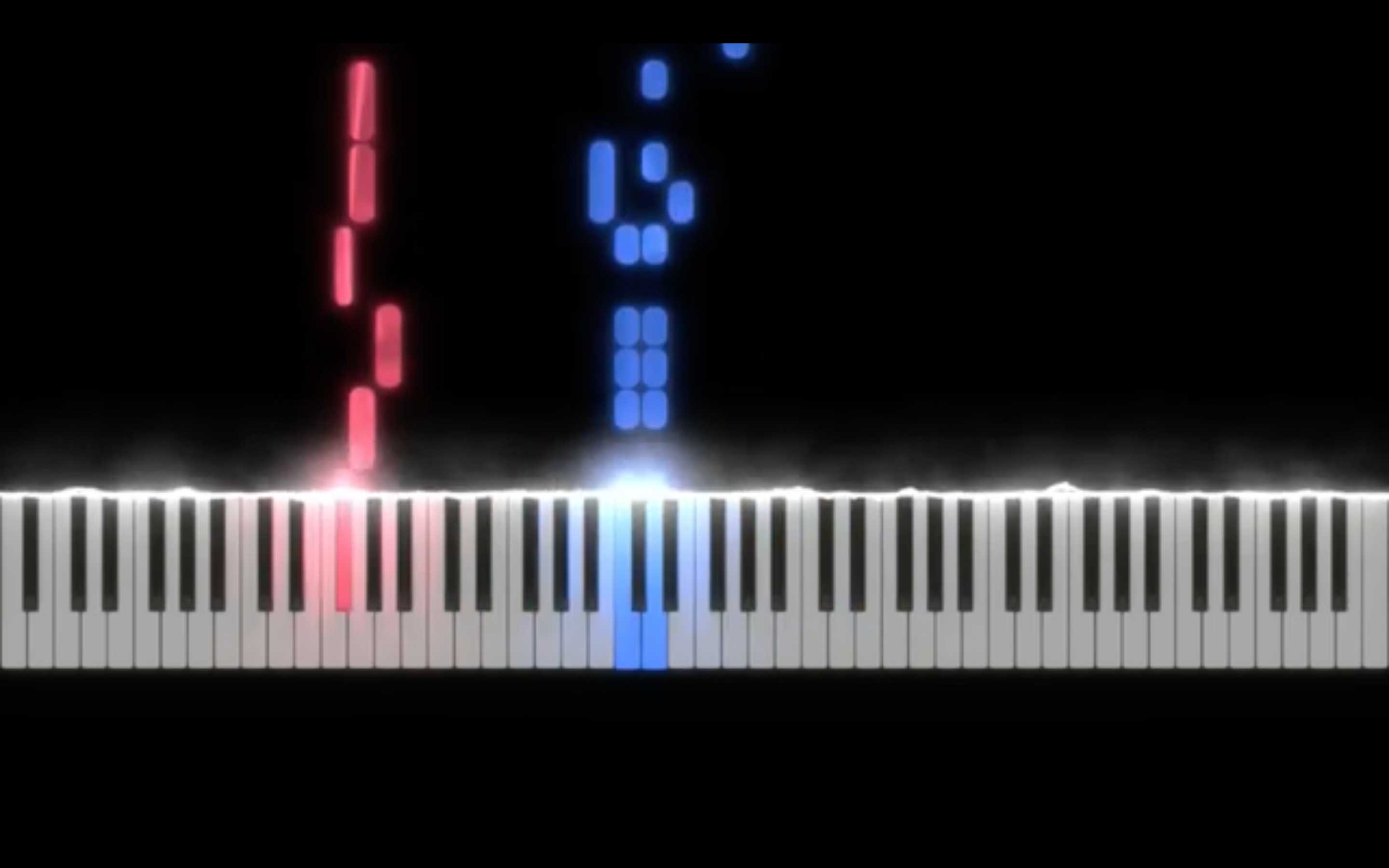
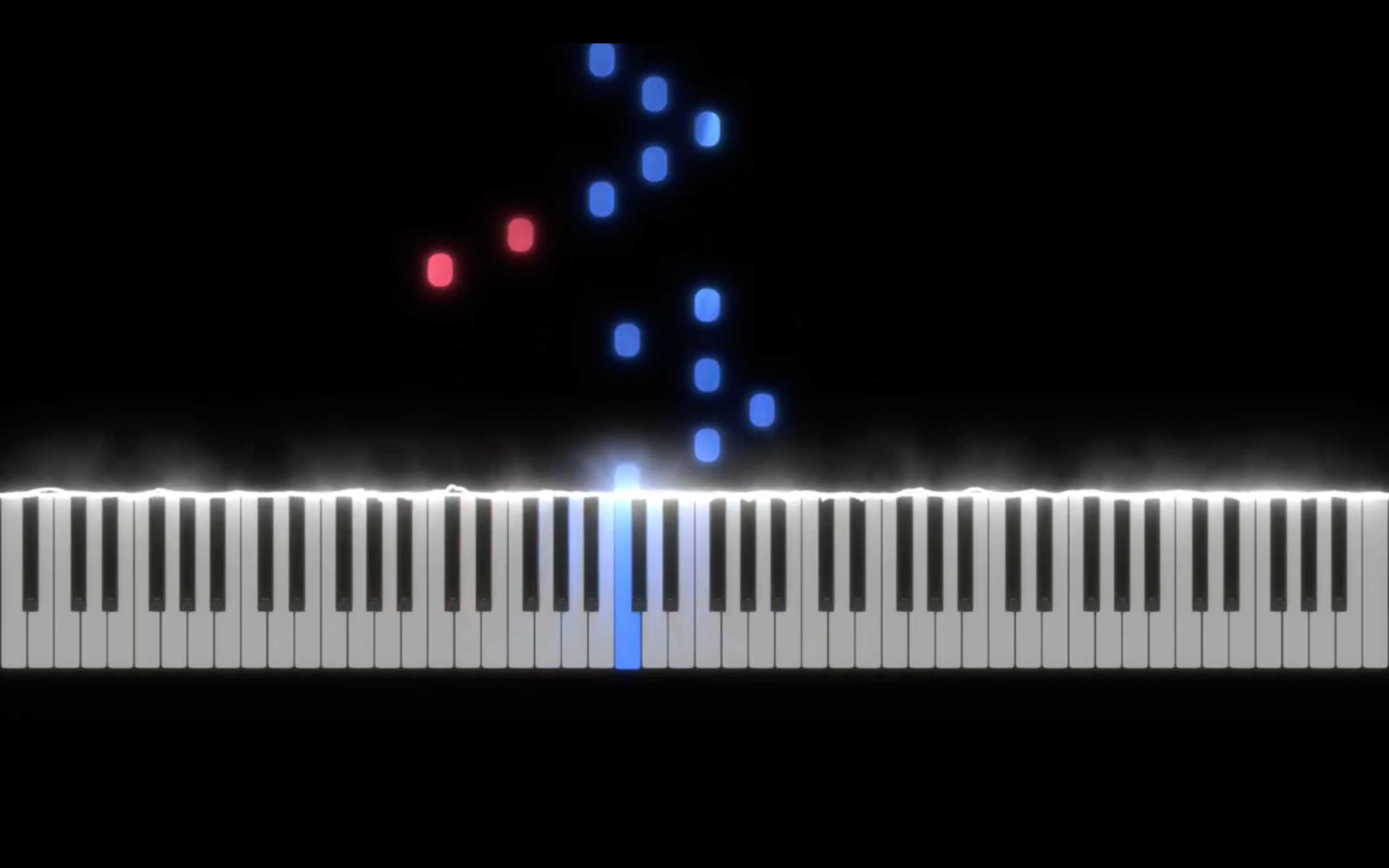
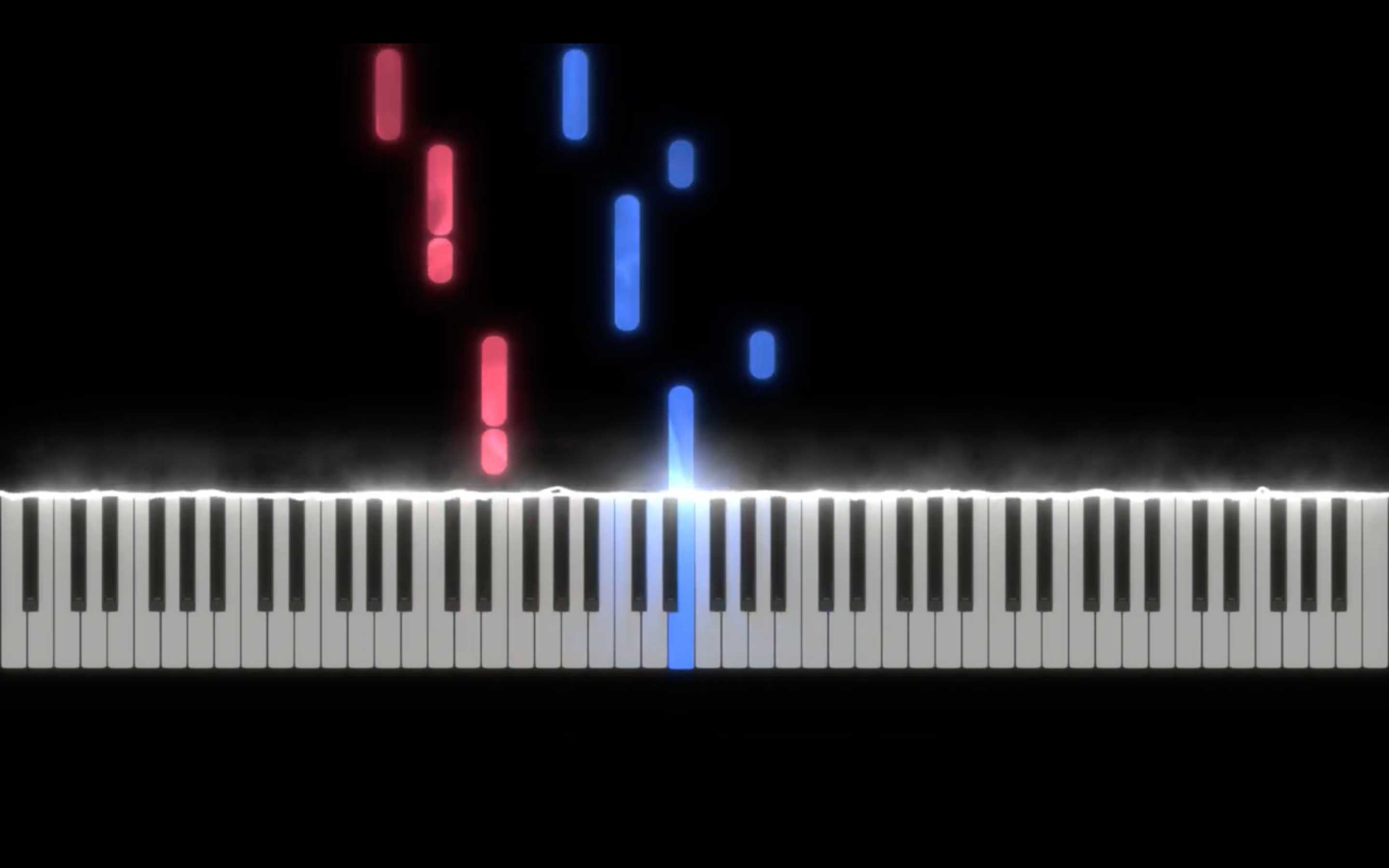
Would you like to watch a synthesia of this piece?
Tap below to make your request.

Sign in to request
Other releases